The vibrant colors of fresh vegetables dancing on a plate of perfectly cooked pasta create a visual feast that is almost too beautiful to eat. The aroma wafting through your kitchen as garlic sizzles and fresh basil releases its fragrance will have your mouth watering in anticipation. Greek salad dressing pairing This, my friends, is what pasta primavera recipes are all about ? a delightful symphony of flavors that evokes memories of family gatherings and summer picnics, where laughter mingles with the joyful clinking of forks against plates.
Jump to:
- Ingredients for pasta primavera recipes
- How to Make pasta primavera recipes
- <strong>Perfecting the Cooking Process</strong>
- <strong>Add Your Touch</strong>
- <strong>Storing & Reheating</strong>
- FAQs:
- What are the best vegetables to use in pasta primavera recipes?
- Can I make pasta primavera recipes vegan?
- How can I enhance the flavor of my pasta primavera recipes?
- Can I prepare pasta primavera recipes ahead of time?
- Conclusion for pasta primavera recipes:
- 📖 Recipe Card
Picture this: It?s a sunny Saturday afternoon, and you?re hosting your best friends for dinner. As you toss colorful veggies into a pan, you can?t help but recall the first time you tried this dish at an Italian restaurant. The burst of flavors transported you to the heart of Italy! Now, it?s your turn to recreate that magic at home. Whether it?s a casual weeknight meal or a special occasion, pasta primavera promises an unforgettable dining experience that will leave everyone asking for seconds.
Why You'll Love This Recipe
- This pasta primavera recipe is incredibly easy to whip up, perfect for both novice cooks and seasoned chefs alike.
- The layers of fresh flavors make it a crowd-pleaser for any gathering.
- With its rainbow of veggies, this dish not only tastes great but looks stunning on the table.
- Feel free to customize the ingredients based on what vegetables are in season or what you have on hand!
Ingredients for pasta primavera recipes
For more inspiration, check out this Philly Cheesesteak Pasta Recipe recipe.
Here’s what you’ll need to make this delicious dish:
- Pasta: Any shape works wonderfully; I recommend fettuccine or penne for their ability to hold onto sauce.
- Fresh Vegetables: Use bell peppers, zucchini, broccoli, and asparagus for vibrant colors and textures.
- Garlic: The fresher, the better! Nothing beats the aroma of saut?ed garlic wafting through your kitchen.
- Olive Oil: Extra virgin olive oil adds richness; don?t skimp on quality here!
- Basil: Fresh basil elevates the dish with its aromatic flavor; dried herbs won’t quite cut it.
For the Sauce:
- Parmesan Cheese: Grate it fresh for maximum flavor; it melts beautifully over warm pasta.
- Lemon Juice: A splash of lemon brightens everything up; it?s like sunshine in a bowl!
The full ingredients list, including measurements, is provided in the recipe card directly below.
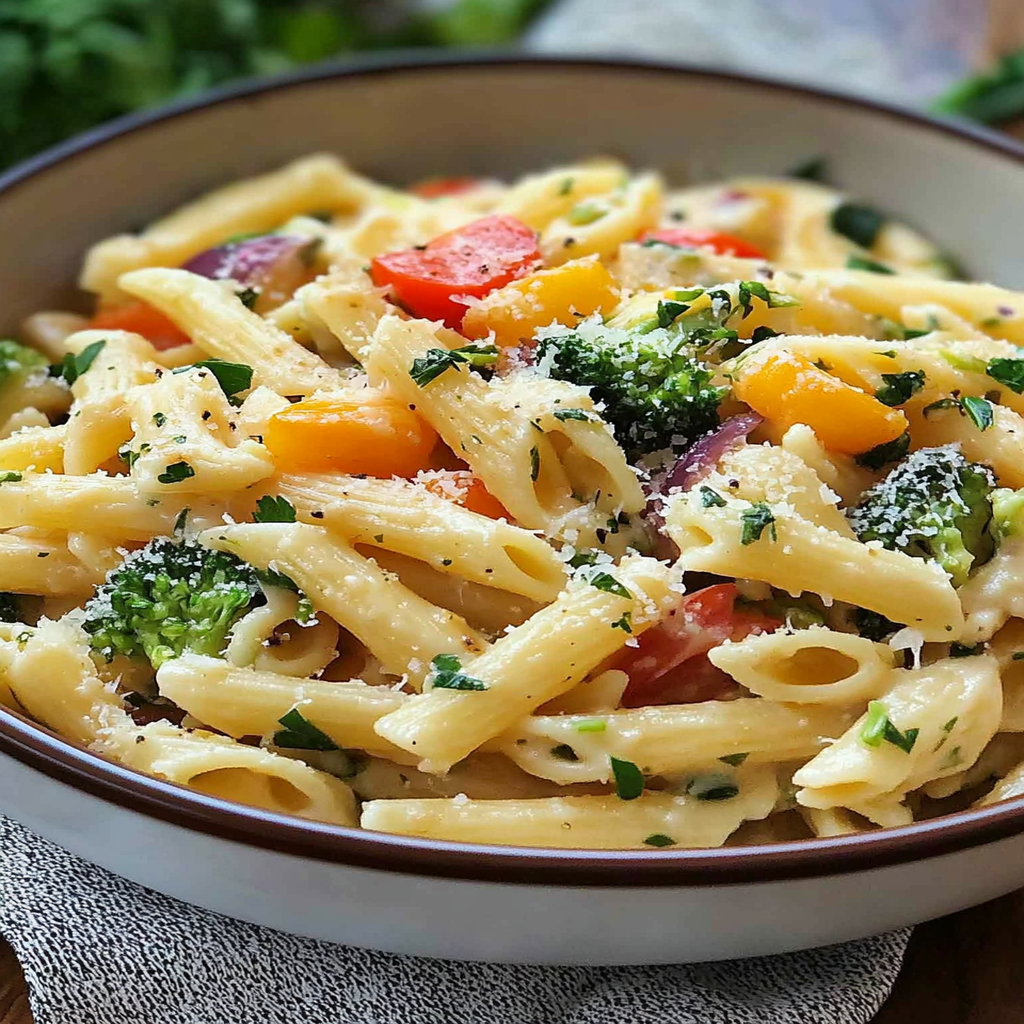
How to Make pasta primavera recipes
Follow these simple steps to prepare this delicious dish:
Step 1: Cook the Pasta
Bring a large pot of salted water to a boil. Toss in your favorite pasta and cook according to package instructions until al dente. Remember not to forget about it?nobody likes mushy noodles!
Step 2: Saut? the Garlic
While your pasta cooks, heat olive oil in a large skillet over medium heat. Toss in minced garlic and saut? until fragrant?about one minute should do it! Your kitchen will start smelling heavenly.
Step 3: Add the Veggies
Throw in all those beautiful vegetables from earlier?bell peppers, zucchini, broccoli, and asparagus. Saut? them for about five minutes until they soften but still retain some crunch. You want vibrant colors popping out!
Step 4: Combine Pasta and Sauce
Once your pasta is done cooking (and drained!), add it directly into the skillet with veggies. Pour in some lemon juice and sprinkle generously with grated Parmesan cheese. Toss everything together until well combined; add salt and pepper to taste.
Step 5: Finish with Fresh Basil
Finally, add fresh basil leaves right before serving?this will give your dish that extra zing! Plate it up while it’s hot.
Step 6: Serve with Style
Transfer to plates and drizzle with more olive oil if desired; serve immediately while it’s warm and delightful.
Now dig in! Enjoy this vibrant plate full of flavors that not only nourishes but also brings joy with every bite?you might even find yourself doing a happy dance afterward!
You Must Know
- This pasta primavera recipe offers a colorful and flavorful dish that celebrates fresh vegetables.
- You can easily customize it based on seasonal produce.
- The vibrant hues and enticing aromas make it a showstopper on any table, perfect for both casual meals and elegant gatherings.
Perfecting the Cooking Process
To achieve pasta primavera perfection, start by boiling your pasta until al dente. While that’s happening, saut? your favorite vegetables in olive oil. Once everything is cooked, combine them with the pasta and toss with sauce for a delightful finish.
Add Your Touch
Feel free to swap out vegetables based on what?s in season or what you have on hand. Zucchini, bell peppers, and asparagus are fabulous options. Add some fresh herbs or a sprinkle of cheese for extra flavor if you?re feeling adventurous.
Storing & Reheating
Store leftover pasta primavera in an airtight container in the fridge for up to three days. To reheat, add a splash of water to the pan and warm gently over low heat to keep the veggies crisp.
Chef's Helpful Tips
- Always use seasonal vegetables for the best flavor and freshness in your pasta primavera.
- Remember to reserve some pasta water when draining; it helps adjust the sauce consistency later.
- Lastly, don’t skip the herbs; they elevate the dish immensely!
Sometimes I whip up this dish when friends come over, and their amazed expressions make all the chopping worth it! It’s always a hit at gatherings, turning ordinary moments into flavorful memories.
FAQs:
What are the best vegetables to use in pasta primavera recipes?
When crafting delicious pasta primavera recipes, fresh seasonal vegetables shine. Common choices include bell peppers, zucchini, asparagus, and cherry tomatoes. You can also add broccoli, peas, or spinach for extra color and nutrition. healthy peach overnight oats Utilizing a mix of these vibrant veggies not only enhances the dish’s flavor but also makes it visually appealing. Remember that the key to a great primavera is freshness; always opt for locally sourced produce whenever possible.
Can I make pasta primavera recipes vegan?
Absolutely! Many pasta primavera recipes can easily be adapted to fit a vegan diet. Simply replace any dairy products with plant-based alternatives. For instance, use olive oil instead of butter and substitute traditional cheese with nutritional yeast or vegan cheese. Incorporating tofu or chickpeas can add protein while keeping the dish light and flavorful. This way, you maintain the essence of primavera while catering to vegan preferences.
How can I enhance the flavor of my pasta primavera recipes?
To elevate the taste of your pasta primavera recipes, consider adding garlic, fresh herbs, or a squeeze of lemon juice. Garlic saut?ed in olive oil creates a fragrant base that complements the vegetables beautifully. air fryer carrots side dish Fresh basil or parsley adds aromatic notes that tie all ingredients together. A sprinkle of freshly grated Parmesan cheese will provide a savory finish without overpowering the dish?s freshness.
Can I prepare pasta primavera recipes ahead of time?
Yes, you can prepare some elements of pasta primavera recipes in advance. Cook the pasta and keep it separate from the sauce and vegetables until you’re ready to serve. This prevents overcooking and ensures optimal texture. You can chop your veggies a day before and store them in an airtight container in the fridge. Just remember to toss everything together right before serving to maintain freshness.
Conclusion for pasta primavera recipes:
Pasta primavera recipes offer a delightful way to enjoy seasonal vegetables while providing a nourishing meal option. By selecting fresh produce and using simple techniques, you can create a colorful dish that pleases everyone at the table. taco meat for meal variety Whether you prefer it vegan or rich with cheese, this recipe allows for flexibility based on dietary needs. Experiment with different vegetables and flavors to discover your perfect version of this classic dish!
Did You Enjoy Making This Recipe? Please rate this recipe with ⭐⭐⭐⭐⭐ or leave a comment.
📖 Recipe Card
PrintPasta Primavera
- Total Time: 25 minutes
- Yield: Serves 4
Description
Pasta primavera is a vibrant and flavorful dish that celebrates fresh seasonal vegetables. This delightful recipe combines al dente pasta with colorful veggies saut?ed in garlic and olive oil, finished with a sprinkle of Parmesan and a splash of lemon juice. It’s perfect for casual dinners or special occasions, bringing a taste of Italy right to your table.
Ingredients
- 8 oz fettuccine or penne pasta
- 1 cup bell peppers, diced
- 1 cup zucchini, sliced
- 1 cup broccoli florets
- 1 cup asparagus, cut into pieces
- 3 cloves garlic, minced
- 2 tbsp extra virgin olive oil
- 1/4 cup fresh basil leaves
- 1/2 cup grated Parmesan cheese
- 2 tbsp lemon juice
- Salt and pepper to taste
Instructions
- 1. Cook the pasta in salted boiling water until al dente according to package instructions. Drain and set aside.
- 2. In a large skillet over medium heat, heat olive oil and saut? minced garlic until fragrant (about 1 minute).
- 3. Add bell peppers, zucchini, broccoli, and asparagus to the skillet. Saut? for about 5 minutes until tender-crisp.
- 4. Combine the cooked pasta with the saut?ed vegetables in the skillet. Add lemon juice and Parmesan cheese; toss well. Season with salt and pepper to taste.
- 5. Top with fresh basil leaves before serving. Drizzle with additional olive oil if desired.
- Prep Time: 10 minutes
- Cook Time: 15 minutes
- Category: Main
- Method: Saut?ing
- Cuisine: Italian
Nutrition
- Serving Size: 1 plate (250g)
- Calories: 410
- Sugar: 3g
- Sodium: 210mg
- Fat: 16g
- Saturated Fat: 4g
- Unsaturated Fat: 12g
- Trans Fat: 0g
- Carbohydrates: 56g
- Fiber: 5g
- Protein: 15g
- Cholesterol: 10mg